


As sustainability shifts from a marketing claim to a measurable business requirement, brands are under growing pressure to reduce their environmental impact across the entire supply chain. Packaging—often overlooked in the past—is now one of the most effective areas for meaningful carbon reduction. Among all available options, paper boxes and especially paper gift boxes are emerging as practical, scalable solutions for brands aiming to lower their carbon footprint without compromising presentation or performance.
But how exactly do these materials contribute to carbon reduction? The answer lies in raw material sourcing, production efficiency, transportation weight, and end-of-life recyclability.
1. Renewable Raw Materials: The Foundation of Lower Emissions
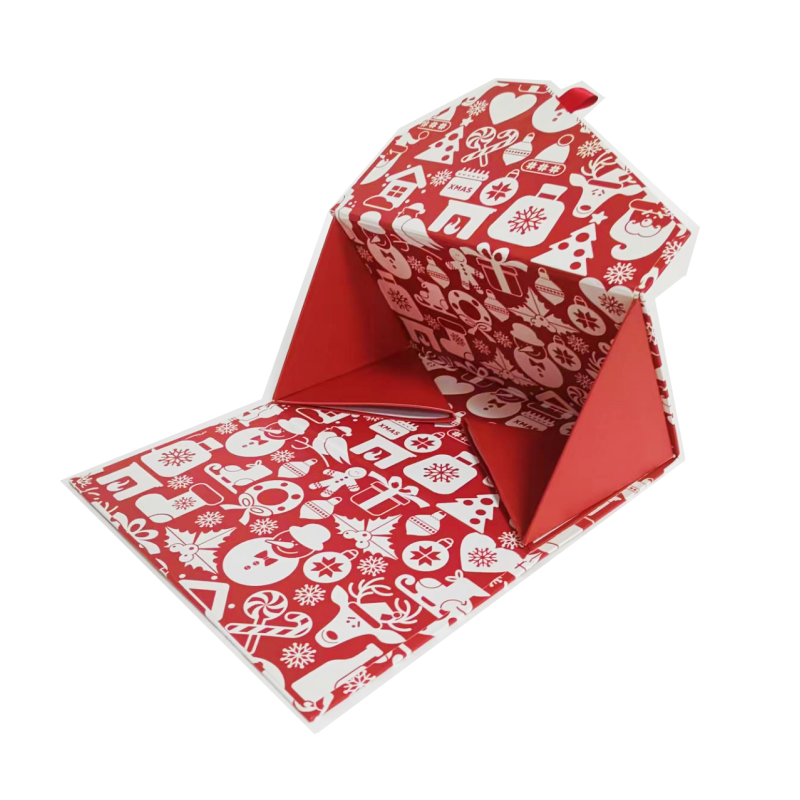
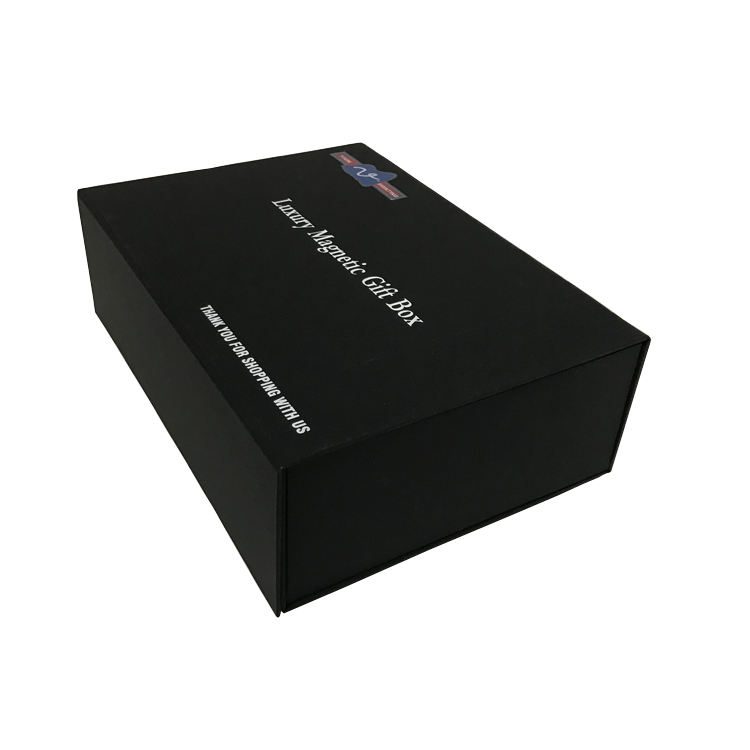
Unlike plastic packaging derived from fossil fuels, paper boxes are primarily made from wood pulp—a renewable resource when sourced responsibly. Certified forestry systems ensure that trees used in paper gift boxes are replanted and managed sustainably, creating a closed-loop supply cycle.
This renewable origin significantly reduces lifecycle emissions. Products such as paper goodie bags and rigid gift packaging benefit from this cycle, as their carbon footprint begins lower at the material level compared to synthetic alternatives.
2. Lightweight Design Reduces Transportation Emissions
Shipping efficiency plays a critical role in overall carbon output. Compared to heavier materials like plastic composites or metal tins, paper gift boxes offer an excellent strength-to-weight ratio.
For large-scale shipments, switching to optimized paper boxes can reduce fuel consumption during transportation. This is especially important for bulk shipments of personalized gift bags bulk, where even small weight reductions translate into significant emission savings across thousands of units.
Similarly, a lightweight white gift bag can replace heavier packaging formats in retail environments, reducing both logistics cost and environmental impact.
3. Recyclability and Circular Economy Benefits
One of the strongest environmental advantages of paper boxes is their recyclability. In most developed markets, paper-based packaging is widely accepted in municipal recycling systems.
High-quality paper gift boxes can be recycled multiple times, extending the lifecycle of raw materials. Additionally, commonly used items such as paper goodie bags are often reused by consumers, further reducing waste generation.
When produced correctly, personalized gift bags bulk orders can also be designed for easy recycling by avoiding plastic coatings and using water-based inks.
4. Efficient Manufacturing Reduces Waste
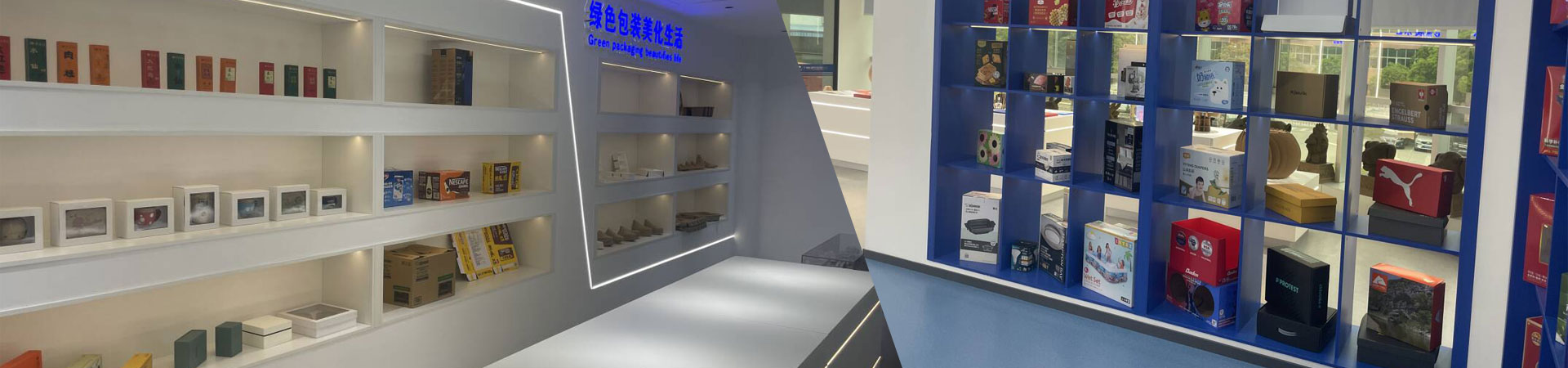
The carbon footprint of packaging is not only about materials—it is also shaped by production processes. At Xiamen Yixin Printing Co., Ltd., advanced manufacturing systems are designed to minimize waste and energy consumption.
Key practices include:
High-efficiency Heidelberg offset printing
Automated die-cutting and lamination processes
Optimized material usage to reduce scrap
Certified environmental management systems (ISO14001)
These improvements ensure that paper boxes and paper gift boxes are produced with consistent quality while minimizing environmental impact. For high-volume orders like personalized gift bags bulk, efficient production significantly lowers emissions per unit.
Industry Analysis: Carbon Footprint Comparison
| Packaging Type | Raw Material Source | Weight Efficiency | Recyclability | Carbon Footprint | Typical Use |
|---|---|---|---|---|---|
| Plastic Packaging | Fossil-based | Medium | Low | High | Retail & shipping |
| Metal Containers | Non-renewable | Low | Medium | Very High | Luxury goods |
| Standard paper boxes | Renewable | High | High | Low | General packaging |
| Premium paper gift boxes | Renewable | Medium–High | High | Low–Medium | Gift packaging |
| White gift bag | Renewable | High | High | Low | Retail carry |
| Paper goodie bags | Renewable | High | High | Low | Events & promotions |
This table demonstrates why paper-based solutions consistently outperform alternatives in carbon efficiency.
5. Consumer Perception and Brand Value
Sustainability is no longer just operational—it is emotional. Customers increasingly associate eco-friendly packaging with responsible brands. A thoughtfully designed white gift bag or premium paper gift boxes can communicate values instantly.
For brands investing in paper boxes, the benefits go beyond carbon reduction:
Stronger brand trust
Higher customer retention
Increased perceived product value
Enhanced unboxing experience
Even simple items like paper goodie bags can reinforce a brand’s commitment to sustainability when executed thoughtfully.
FAQ: Reducing Carbon Footprint with Paper Packaging
Q1: Are paper gift boxes always eco-friendly?
They are when sourced from certified materials and produced using sustainable processes.
Q2: How do paper boxes reduce carbon emissions?
Through renewable sourcing, lighter weight, and recyclability.
Q3: Are white gift bag options recyclable?
Yes, provided they are free from plastic coatings and mixed materials.
Q4: Is personalized gift bags bulk production environmentally responsible?
Yes, especially when produced at scale using efficient manufacturing systems.
Q5: Can paper goodie bags replace plastic packaging?
In most cases, yes—they offer similar functionality with significantly lower environmental impact.
Call to Action
If your brand is ready to reduce its environmental footprint while maintaining premium packaging standards, it’s time to upgrade your strategy.
Contact us today:
📩 Email: sales1@xmyixin.com
🌐 Website: www.xiamenpaperbox.com
Discover high-quality paper boxes, premium paper gift boxes, durable white gift bag designs, and scalable personalized gift bags bulk solutions tailored to your sustainability goals.
Conclusion
Reducing carbon footprint is no longer optional—it is a strategic necessity. By switching to responsibly sourced paper boxes and well-designed paper gift boxes, brands can significantly lower emissions while enhancing product presentation.
From lightweight logistics advantages to recyclability and consumer perception, paper-based packaging delivers measurable environmental and commercial benefits. Whether through paper goodie bags, retail-ready packaging, or large-scale personalized gift bags bulk, the transition to sustainable materials is both achievable and impactful.
For brands committed to long-term growth and environmental responsibility, the path forward is clear: smarter materials, better processes, and packaging that works for both business and the planet.