


As sustainability becomes a defining factor in consumer purchasing decisions, brands are under increasing pressure to prove that their packaging is not only attractive but also environmentally responsible. Among the most widely used packaging formats today are paper boxes, particularly in retail, e-commerce, and gifting industries. But a critical question remains: are paper gift boxes truly made from renewable and sustainable raw materials?
The answer is more nuanced than a simple yes or no. While many paper gift boxes today are designed with sustainability in mind, their environmental impact depends on sourcing, production processes, and end-of-life recyclability. Understanding these factors is essential for brands seeking to align packaging choices with modern ESG expectations.
What Makes Paper Packaging Renewable and Sustainable?
At its core, paper-based packaging is derived from wood pulp, a renewable resource when managed responsibly. Unlike plastic, which depends on fossil fuels, paper boxes can be produced from trees grown in sustainably managed forests or from recycled fibers.
1. Certified Raw Materials
Sustainable paper gift boxes often use FSC-certified pulp, ensuring that forests are responsibly managed. This certification guarantees biodiversity protection, controlled harvesting, and traceable sourcing.
2. Recycled Content Integration
Modern manufacturing incorporates recycled fibers into paper goodie bags and rigid packaging structures. This reduces reliance on virgin materials and lowers carbon emissions during production.
3. Biodegradability and Recyclability
One of the strongest advantages of paper boxes is their ability to biodegrade naturally and be recycled multiple times. Unlike plastic alternatives, they break down without releasing long-term pollutants.
Material Variations in Sustainable Gift Packaging
Not all paper packaging is created equal. The structure and material composition determine performance, aesthetics, and environmental impact.
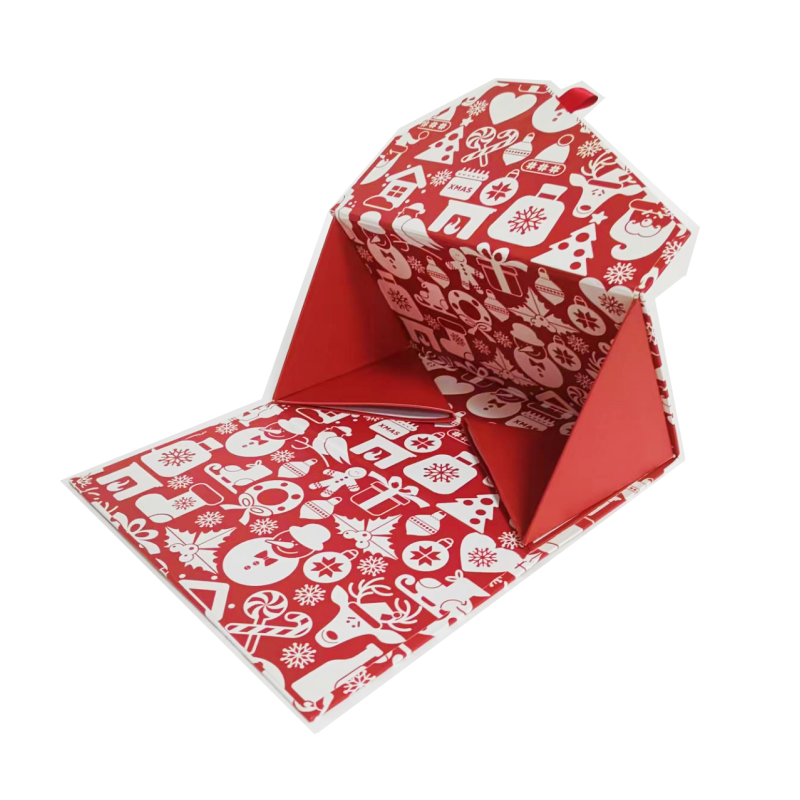
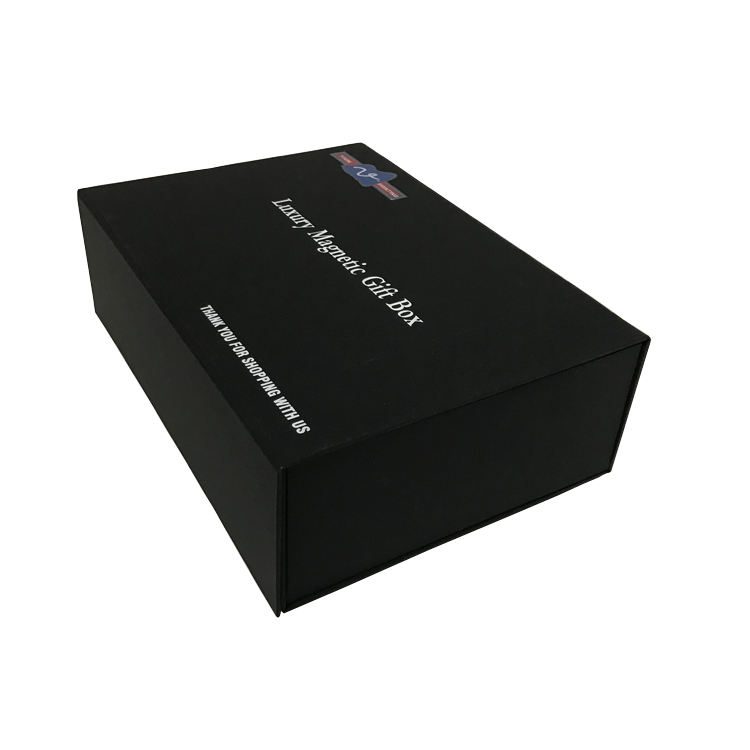
Rigid Paperboard for Premium Gift Boxes
High-end paper gift boxes often use thick paperboard for durability and luxury appeal. These materials can still be sustainable when sourced responsibly and combined with water-based inks.
Kraft Paper for Natural Aesthetics
Unbleached kraft paper is commonly used in paper goodie bags and eco-friendly packaging. Its natural brown tone signals sustainability to consumers while maintaining strength.
Coated Paper for Visual Impact
For brands focused on presentation, coated materials are used in paper boxes to achieve vibrant printing. However, coatings must be carefully selected to maintain recyclability.
Hybrid Formats: Bags and Boxes
Products like white gift bag options and personalized gift bags bulk orders often combine paper with handles or reinforcements. When designed correctly, these still meet sustainability standards.
Industry Analysis: Sustainability Performance Comparison
| Packaging Type | Renewable Source | Recyclability | Reusability | Carbon Footprint | Typical Application |
|---|---|---|---|---|---|
| Standard paper boxes | High | High | Medium | Low | Retail & shipping |
| Premium paper gift boxes | Medium–High | Medium–High | High | Medium | Luxury packaging |
| White gift bag | High | High | Medium | Low | Retail carry bags |
| Personalized gift bags bulk | Medium–High | High | Medium | Low | Promotional events |
| Paper goodie bags | High | High | Medium | Low | Events & giveaways |
This comparison highlights how different formats balance sustainability with functionality.
How Manufacturing Impacts Sustainability
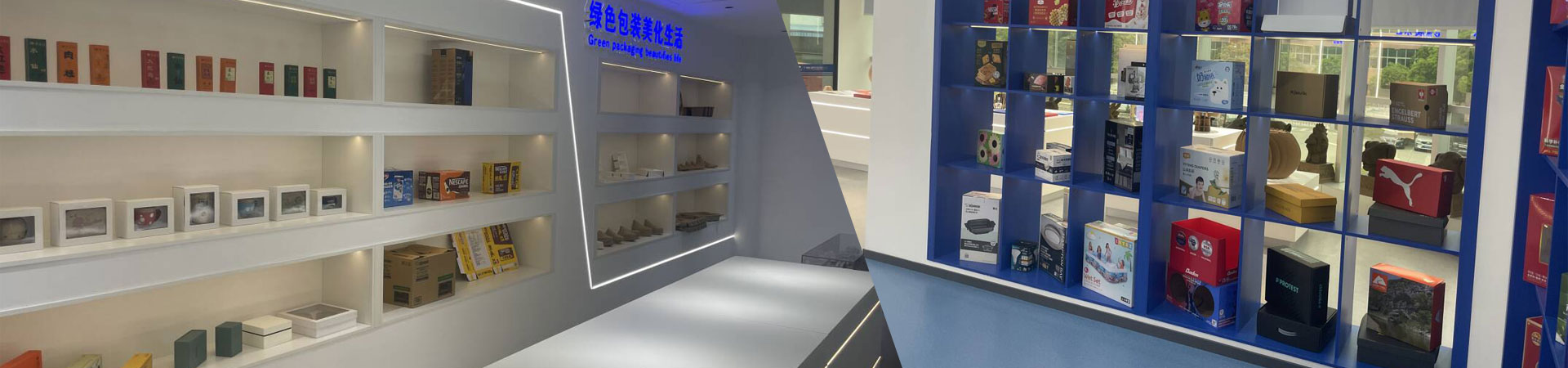
Even with renewable materials, production methods matter. At Xiamen Yixin Printing Co., Ltd., sustainability is integrated into every stage:
Use of FSC-certified raw materials
Adoption of water-based inks
High-efficiency Heidelberg printing systems
Automated production lines that reduce waste
Strict quality control ensuring minimal material loss
These practices ensure that paper boxes and paper gift boxes meet both environmental and performance standards. For large-volume orders such as personalized gift bags bulk, efficiency gains translate into lower environmental impact per unit.
The Growing Role of Consumer Perception
Today’s consumers are highly aware of sustainability claims. A well-designed white gift bag or paper goodie bags not only serves a functional purpose but also communicates brand values.
Brands that invest in eco-conscious packaging often see:
Increased customer trust
Higher repeat purchase rates
Stronger brand differentiation
Improved social media engagement
This is particularly true for paper gift boxes, where packaging is closely tied to emotional experiences such as gifting and celebrations.
FAQ: Sustainable Paper Packaging
Q1: Are all paper boxes environmentally friendly?
Not necessarily. Sustainability depends on sourcing, coatings, and recyclability.
Q2: Can paper gift boxes be reused?
Yes. Many are designed for multiple uses, especially rigid formats.
Q3: Are white gift bag products recyclable?
Most are, provided they do not contain plastic coatings or mixed materials.
Q4: Is personalized gift bags bulk production sustainable?
It can be, especially when produced with certified materials and efficient manufacturing processes.
Q5: Are paper goodie bags better than plastic alternatives?
In most cases, yes. They are biodegradable, recyclable, and made from renewable resources.
Call to Action
If your brand is looking to upgrade its packaging strategy with sustainable, high-quality solutions, now is the time to act.
📩 Contact us today:
Email: sales1@xmyixin.com
🌐 Website: www.xiamenpaperbox.com
Explore custom paper boxes, premium paper gift boxes, stylish white gift bag designs, and scalable personalized gift bags bulk solutions tailored to your needs.
Conclusion
So, are paper gift boxes made from renewable and sustainable raw materials? In most modern cases—yes. When sourced responsibly and manufactured with care, paper boxes offer a powerful combination of environmental responsibility, versatility, and visual appeal.
From paper goodie bags to luxury packaging and bulk promotional solutions, paper-based formats are shaping the future of sustainable packaging. For brands aiming to balance aesthetics, performance, and eco-conscious values, investing in well-designed paper gift boxes is no longer optional—it is a strategic necessity.